I don't know what online shopping looks like in five years, and I'm wary of anyone who says they do. What I can do is look at what's changing, what isn't, and what a small store owner can do this month that won't be wasted whichever way it goes.
Here's where I land. The ways people shop will keep shifting. The problem of being found by someone who has never heard of you will not. If you run an independent store, that second part is your real job, and it's worth thinking about before you pick a tactic. If you want a place where shoppers can come across your store, you can see how stores join Ecom Outpost, but read the rest first. I'd rather you decide with the full picture.
Bigger online sales aren't automatically your sales
The headline numbers are friendly. Shopify's report says ecommerce sales in 2026 are expected to make up 21.1% of total retail sales. More shopping is happening online. Fine.
But a growing market is not the same as a growing slice for you. Growth pulls in more stores, more ads, more products that look alike, and more noise. A rising tide is great if you already have a boat near the dock. If nobody can find the dock, it's just more water.
I think small brands get misled here. They read the growth number and assume the work is to show up and wait. It isn't. The work is to be somewhere a shopper is already looking, and to give that shopper a reason to remember you once they land.
 List your storeon Ecom Outpost
Shoppers may start somewhere new, and the new thing is still small
There's a lot of talk about AI shopping agents: software that searches, compares and buys on a person's behalf. I'm not going to tell you it will take over, because the data I can point to says it hasn't yet. BCG's analysis of leading European brands and retailers found that referrals from external agents accounted for less than 1% of website visits. That's the big names, not tiny stores.
The other half of the picture is a bit uncomfortable. PYMNTS reports that just 11% of small- to medium-sized businesses qualify as agent-ready, compared with 19% of large merchants. Small stores trail. I wouldn't read that as doom. I'd read it as a to-do list. The thing an agent needs is the same thing a human shopper needs: clear, honest, complete information about what you sell.
So I'm not rebuilding my plans around a channel that's still that small. I'm also not ignoring it. I'm making sure that if a machine reads my product pages, it gets a straight answer.
What stays true: somebody has to find you
When I first thought about selling online, I figured the store was the big piece. Products, a place to show them, a way to check out. Then the real question showed up behind all of that: how will anyone find you?
My time selling on eBay and Amazon gave me a different view. I could list a product somewhere shoppers were already looking and get a sale without personally dragging that customer through the door. That doesn't mean selling was effortless. It does mean I saw the difference between running a store and running a store somewhere people are already looking. Independent stores mostly don't get the second part. We build the shop and then stand outside it.
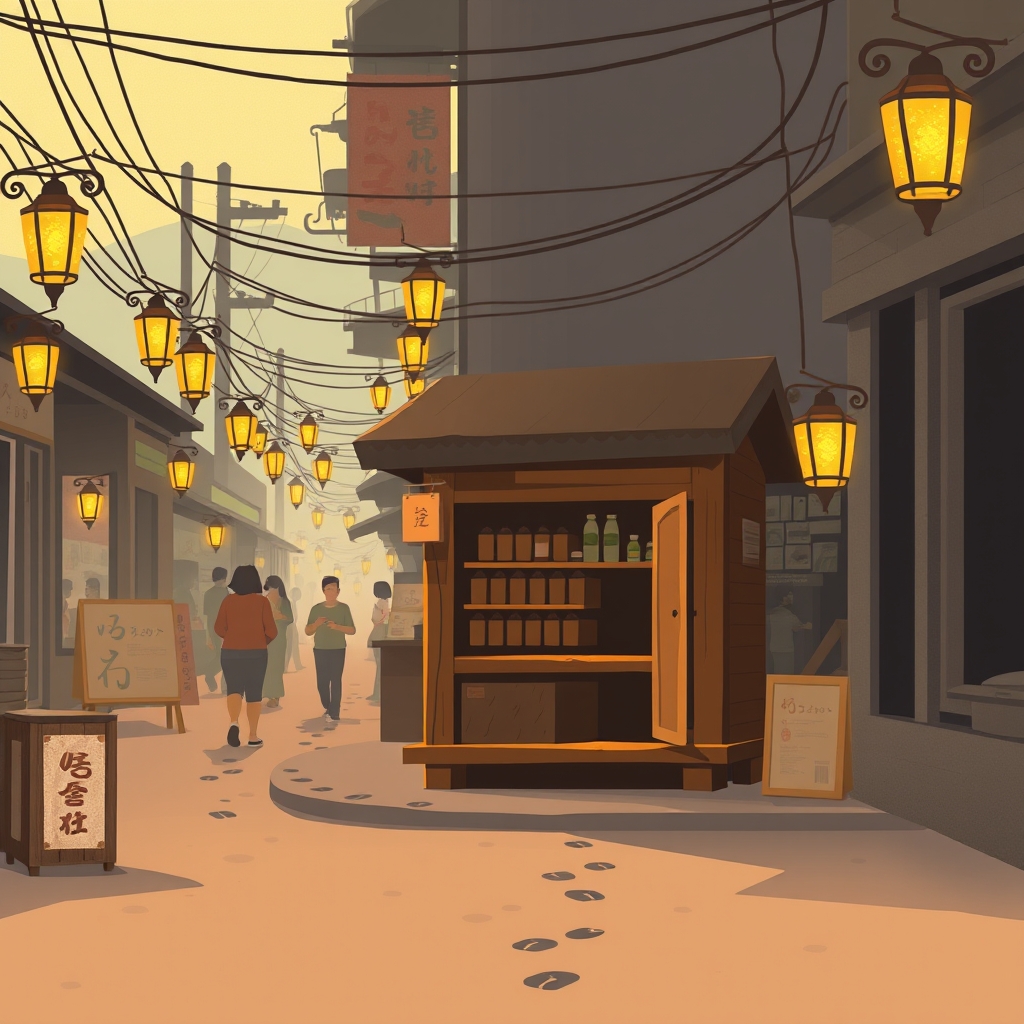
That's why I started Ecom Outpost. I wished it already existed. I wanted a place shoppers visit when they want to find something worth buying, not another dashboard to check. A shopper might arrive looking for one product and leave with a store they'd never heard of. That's the introduction I wanted to make possible, for my store and for yours.
I don't want to replace the store you built. I want to help people find it. And I'm not promising effortless sales. Nobody honest can.
What I'd do now, whatever the future brings
None of this is glamorous. That's the point.
Clean up your product information. Titles that say what the thing is. Descriptions that answer the questions a stranger would ask: size, material, who it suits, how it ships. If a human has to guess, so does software. This is the cheapest readiness work there is, and it helps your regular search traffic too.
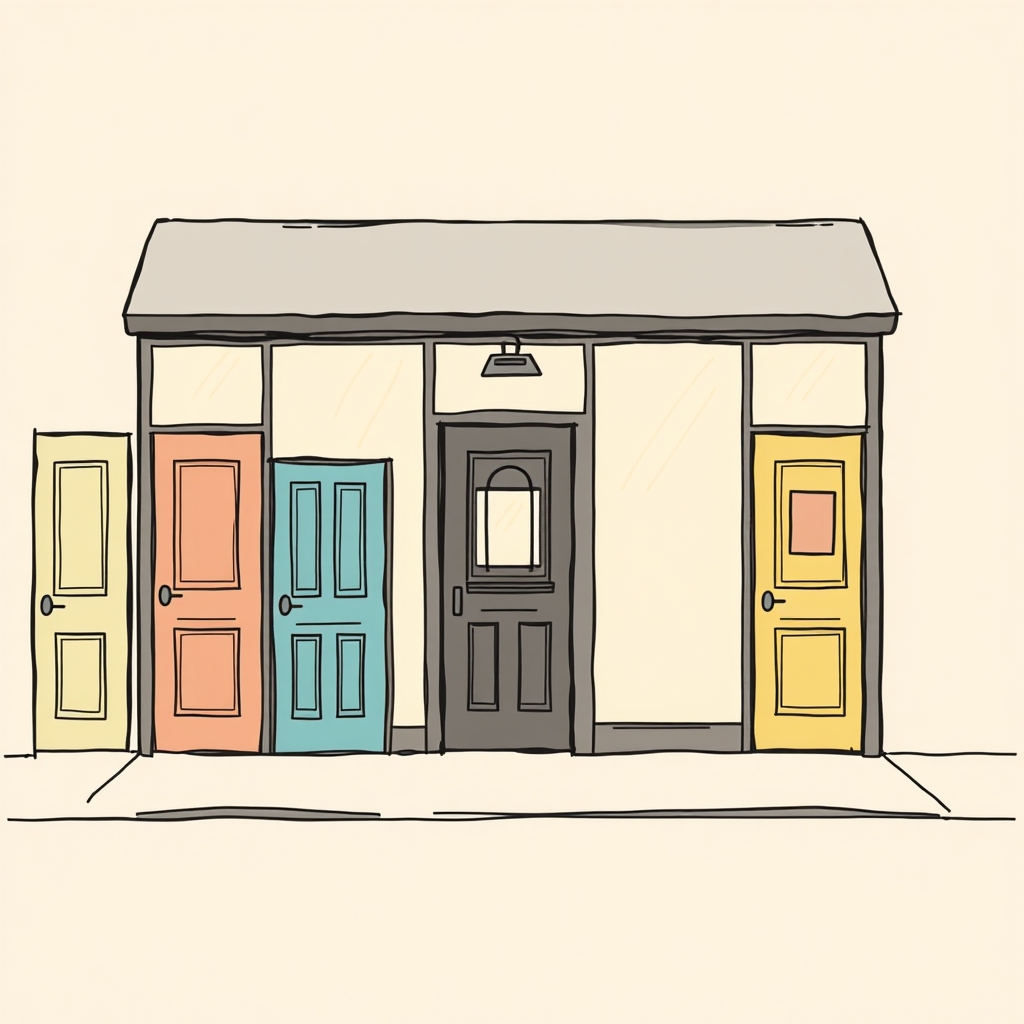
Be findable in more than one place. A store that depends on one source of visitors is fragile, whether that source is an ad account, a social feed, or an algorithm. I went through this in how I'd choose sales channels for Shopify. Pick a couple of doors and keep them open.
Keep your customer relationship. Wherever a shopper first meets you, the best outcome is that they end up at your checkout, on your site, as your customer. Then you can email them, learn what they like, and earn the second order. A channel that keeps the customer for itself is renting you space, not building your business.
Be memorable on purpose. When shoppers can compare a hundred similar things in seconds, a forgettable store loses. I wrote about what makes a small brand stick in what makes a small e-commerce brand memorable. Short version: a specific point of view beats a bigger catalog.
Spend hours before dollars. Paid ads have a place. I'm not against them. But I don't think spending should be the starting point, and I don't want it to substitute for understanding what I'm offering and who it helps. If you're short on budget, marketing a store on a small budget is about paying in hours and spending them carefully, and promoting a store when nobody knows your brand covers the cold-start problem directly.
Where a directory fits, and where it doesn't
A directory is a second door. It's not a magic one. I'll say what Ecom Outpost does and leave it there.
Shoppers find stores and products on the site and click through to buy on the store's own website, so you keep your checkout and your customers. Stores connect through the Ecom Outpost app for Shopify, billing goes through Shopify, and there's no long-term contract. Every plan includes a store profile and store search. If you want your products to appear in search and departments, you need a plan that includes that. On plans with analytics, you can see how many shoppers viewed and clicked your listings, which means you can judge it with your own numbers instead of taking my word.
I keep a simple standard when I build this: I'm asking you to give the platform your attention, so I owe you something worth the attention. I don't want joining to feel like taking on another project. I'd rather the work I've put into the Shopify connection and the onboarding make participation clear, and let you decide whether it earns its place. When I plan my own launch I ask the same thing: would this feel useful to me if I were the store owner on the other side?
If that sounds like a fit, here's where store owners can join. If it doesn't, the advice above still holds. Fix your product pages, keep more than one door open, hold on to your customers.
The future of online shopping will have new interfaces, and some of them will be strange. Small brands will fit in the way they always have: by being specific, being honest on the page, and being somewhere a curious person might stumble on them.