Say "promote your store" to most owners and they hear "run ads." I get it. Ads are the one lever that feels like a lever. You put money in, something moves, and you get a dashboard to stare at.
But promotion is a bigger word than that, and treating it as one task is how people burn a month of budget and learn nothing. I'd rather split it into three jobs and ask which one is broken before spending anything. If you're building a store and want one more place for shoppers to find it, the page for store owners is there when you're ready. It's one option among several, not the starting point.
I've written around this topic before, from what to check before spending another dollar to promoting without ads and where to advertise and when not to. This one is simpler. It's a way to sort the pile.
The three jobs
Here's how I carve it up.
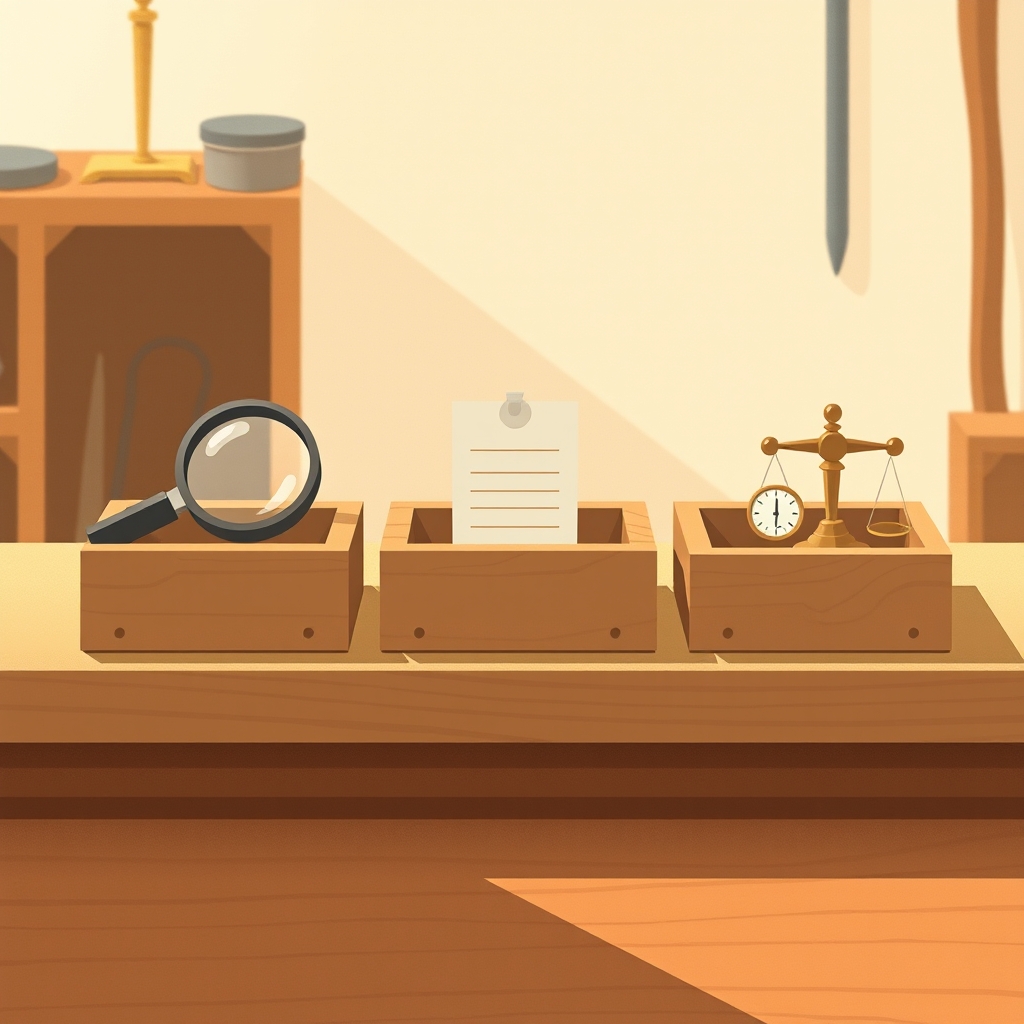
Job one: get seen. Someone, somewhere, has to run into your store or your products. Search results, a marketplace listing, a post, an ad, a recommendation. Anything that puts you in front of a person who didn't know you existed.
Job two: get understood. The person arrives and has about a breath to figure out what you sell, who it's for, and whether it looks like a real business. Pictures, descriptions, brand, packaging, all of it.
Job three: get credited. An order happens and you need some honest idea of where it came from, so next month you can do more of what worked and less of what didn't.
Most promotion advice lives entirely in job one. That's a problem, because a store can be great at job one and still lose money, and a store can be quietly bad at job two while the owner keeps buying more of job one to fix it. More people seeing a confusing page doesn't fix the page.
 List your storeon Ecom Outpost
Job one: being seen takes patience, and you can measure it
Launching a store doesn't mean anyone will find it. I learned that the plain way. These days I keep an eye on Google Search Console, impressions and clicks, to see whether my stores are gaining any visibility at all. That tells me whether a store's SEO is moving, and it beats judging by how nice the site looks or how many pages I've added. A store with a hundred pages and no impressions is a hundred pages nobody is looking at.
Impressions are also not the finish line. One lesson from running my stores is that a search impression alone doesn't tell me a business is working. I look at clicks, and I look at actual orders. A store can show up in results and draw almost nobody. Visitors can arrive and not buy. Those are separate stages, and I need to judge them separately before I decide what to fix.
Why does that matter for promotion? Because the fix is different at each stage:
- Few impressions: you're not being seen. Work on findability. More places to be listed, better titles and descriptions, patience.
- Impressions but few clicks: you're being seen but you're not interesting at a glance. Look at how you show up.
- Clicks but no orders: people come and leave. That's a job-two problem, not a job-one problem.
If you haven't read it, reading the numbers you already have goes deeper on this. The short version is that you probably own more data than you've looked at.
There's an uncomfortable part, too. Organic visibility is slow. If your plan needs results next week, organic won't give you that, and I'd rather say so than pretend. That's the case for picking the source you can wait out, or for paid placement if you've got margin and a store that's ready for the visits.
Job two: the click has to be worth something
This is the job owners skip because it doesn't feel like promotion. It feels like housekeeping.
While developing my stores I've had to make plain, practical decisions about how products are presented: descriptions, images, packaging, brand identity. What I took from that is that building a store is more than adding products to a website. The presentation has to say what the brand offers and help a shopper understand what they're buying. If it doesn't, you've paid for attention and handed it to nobody.
Here's the check I'd run on my own product page before sending any traffic to it:
- Can a stranger say in one sentence what this thing is, from the title and first image alone?
- Does the description answer the question they'd ask a person standing next to them?
- Do the images show the product in a way that makes the description believable?
- Does the store look like it belongs to someone, with a brand, a point of view, a reason it exists?
None of that costs ad money. All of it changes what a visit is worth. And if you're on a marketplace, it matters twice, since your listing is often the first thing a shopper sees before they ever reach your site.
Job three: don't trust one dashboard
This is where I get a little stubborn. I've seen differences between the sales Shopify reports and the sales Meta attributes. That taught me not to assume any one advertising dashboard captures every order, or that it's telling the whole story. So I compare reporting across platforms before I decide where customers came from or whether a channel is paying off.
You don't need a fancy setup for this. You need the habit of asking "does this match?" before celebrating or panicking. If an ad platform says it's a hero and your store's own numbers say otherwise, believe the second one until you can explain the gap. Your store's own order records are the closest thing you have to ground truth.
And be careful of the opposite error, too. Attribution is incomplete, and that cuts both ways. A channel that looks weak in one report may be helping in a way no report credits. I don't have a clean answer for that. I have a rule: make changes slowly, one at a time, so you can see what moved.
Where a marketplace listing fits
I run this site, so weigh what I say next accordingly. Ecom Outpost is a place where shoppers find independent stores and products and then click through to buy on the store's own website. The store keeps its checkout and its customers. That matters to me, because I don't want to build a business where someone else owns the customer.
The plans are tiered by what they do:
- Listed gives you a store profile and brand keywords for store search.
- Catalog adds your products to Ecom Outpost search and departments, plus product-level analytics.
- Promote adds sponsored placements for your products in relevant searches, with impressions and clicks reporting for those placements.
Stores connect through the Ecom Outpost app for Shopify, billing goes through Shopify, and there's no long-term contract. Every plan includes a store profile and store search, but if you want your products to show up in search and departments, you need a plan that includes that.
What does this do for the three jobs? It's a job-one tool, one more place to be found. On plans with analytics, you can see how many shoppers viewed and clicked your listings, which gives you a small measurement for jobs one and three. I can't promise traffic, rankings or sales from it, and nobody honest could. It's a place to be seen, with numbers attached, and it's up to your store to handle jobs two and three once the shopper clicks.
What I'd do this month
If you've got a store and a thin budget, here's the order I'd work in.
First, find out which job is broken. Pull your impressions, clicks and orders and put them side by side. Don't buy a thing until you know which stage is leaking.
Second, fix presentation before you buy attention. Fix the confusing titles, the weak images, the vague descriptions. It's the cheapest promotion there is, and it makes every later dollar work harder.
Third, add places to be found that you can afford to wait on. A Search Console habit, a few listings, a handful of channels that don't run on ad spend. If one of those is an Ecom Outpost listing, fine, and if it isn't, also fine.
Fourth, keep score honestly. Compare platforms. Be suspicious of any single report.
Fifth, and this is the one I'd write on a sticky note: don't keep pouring time and money into a store just because you like the idea behind it. I've worked on several niche stores, and I've had to learn to look past whether a niche sounds promising. I watch impressions, clicks and sales to see whether there are signs of traction. Some stores earn more of my effort. Some don't, and the numbers are how I tell the difference without letting my feelings vote.
Promotion isn't a purchase. It's a loop of being seen, being understood and being measured, and the store that does all three, slowly, tends to know what to do next. If you want a wider look at tools, here's my take on marketing apps, and I still won't call any of them the best.